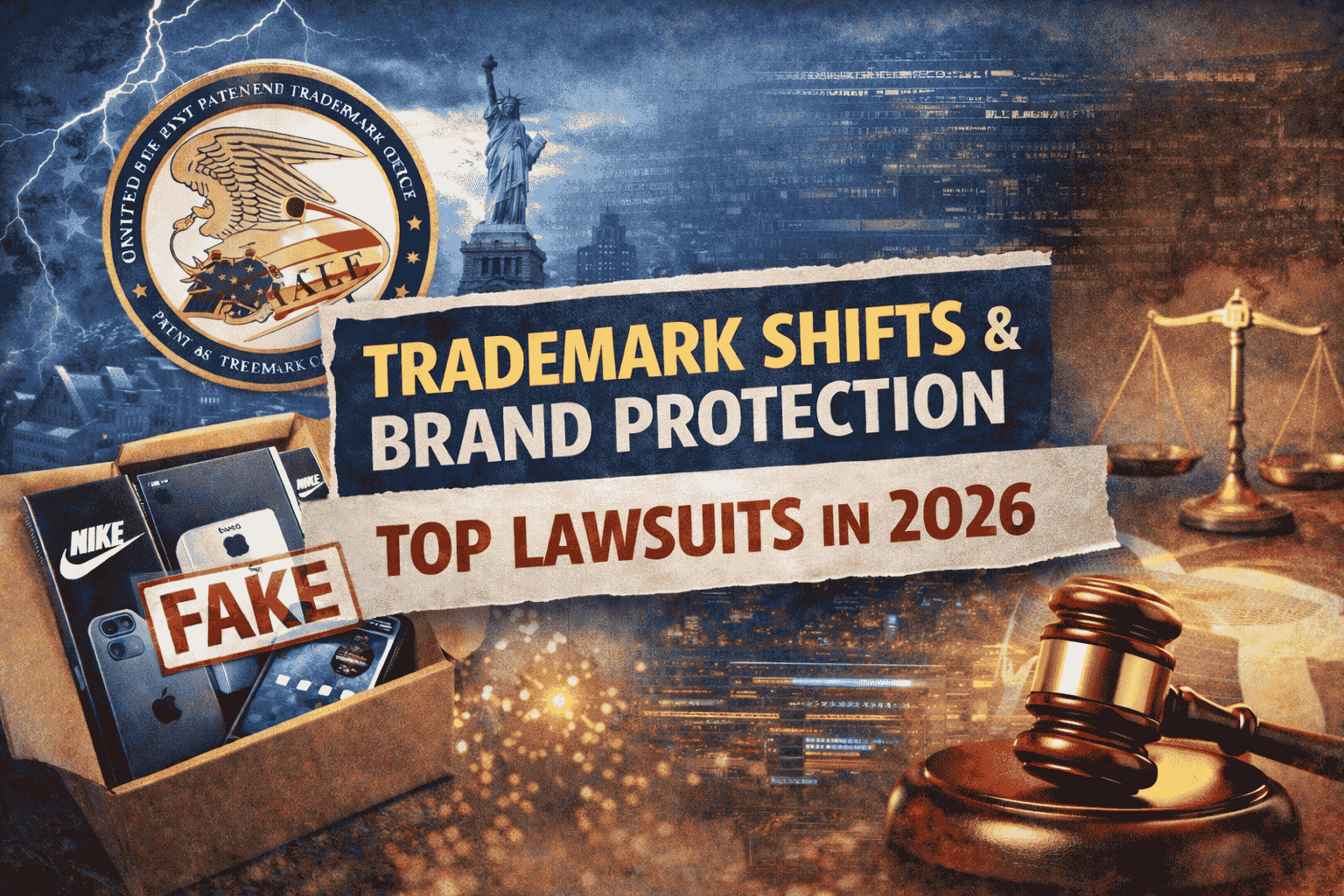
Trademark Shifts & Brand Protection — Top Lawsuits and IP Trends to Watch in 2026
Quick take — why 2026 matters for trademarks and brand owners
2026 is shaping up to be a turning point for trademark law and brand protection. A mix of high-profile disputes, international classification updates, and tech-driven threats (especially AI-generated content and marketplace counterfeits) is pushing companies and counsel to rethink how they defend names, logos and market identity.
1) High-impact disputes to watch (examples and what they mean)
Several headline cases from late 2024–2025 spilled into 2026 and illustrate the new battlegrounds for trademark fights:
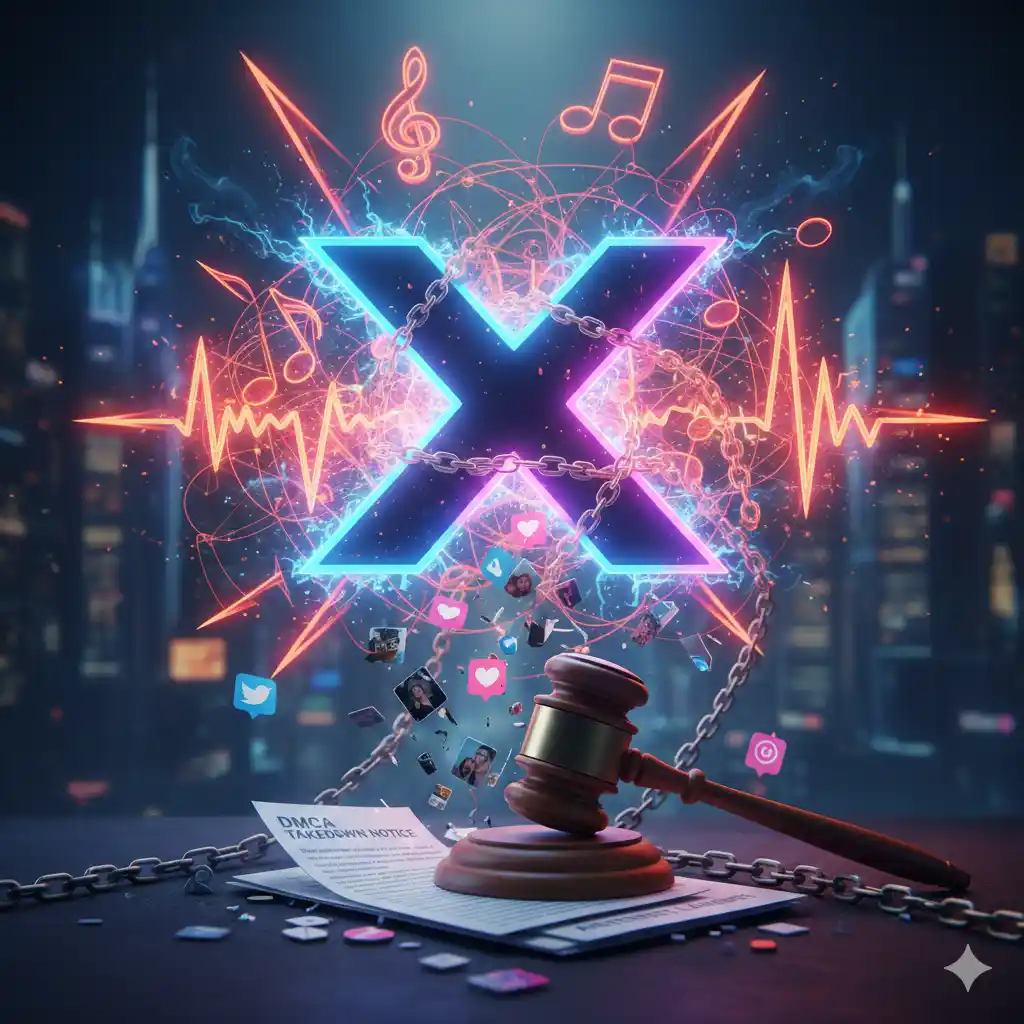
- Social media brand fights: Litigation over whether an iconic brand has been “abandoned” after a rebrand has prompted motions and federal suits — a reminder that rebranding doesn’t automatically erase lingering rights or goodwill. (See the recent high-profile Twitter/X trademark dispute as a modern example.)
- Legacy brand revivals and ownership fights: Long-dormant or nostalgic marks (retro electronics, fashion house names) are being litigated as parties compete to claim rightful ownership. Expect cross-jurisdictional challenges.
- Local vs premium brands: Smaller businesses sometimes face suits from established names even where markets differ — courts increasingly parse evidence of actual consumer confusion rather than relying on name similarity alone. Recent restaurant name suits illustrate this tension.
What this means for you: high visibility cases often set tactical playbooks — challengers will push abandonment/cancellation claims, while incumbents will lean on residual goodwill and marketplace evidence.
2) Regulatory & classification changes that will affect filings in 2026
Important administrative changes are in effect for 2026 and every brand filer must account for them:
- The Nice Classification will be updated effective January 1, 2026, changing certain goods/services headings and requiring more precise class descriptions in filings — a meaningful operational change for global filing strategies.
- The USPTO continues rolling out Trademark Center updates and guidance that affect filing bases, class management, and proof-of-use standards — expect procedural shifts that change prosecution tactics and timing.
Practical tip: review pending applications and renewal strategies now — reclassifications can change scope of protection and require supplemental filings or amended descriptions.
3) Brand protection in the digital age — evolving threats & defenses
Online marketplaces, social networks, and generative AI have created fresh vectors for infringement, impersonation, and counterfeit distribution:
- Automated monitoring + AI detection tools are becoming essential for rapid takedown of infringing listings and fake accounts; brand-protection vendors released 2026 playbooks focused on automated detection, takedown SLAs and marketplace escalation protocols.
- Generative AI risks: AI can create convincing counterfeit logos, packaging mockups, or misleading promotional content. Legal teams must pair enforcement with forensic evidence gathering to show bad-faith or confusing use.
Quick checklist for in-house teams
- Deploy continuous marketplace & social-media scanning.
- Keep clear timestamped evidence of first commercial use and marketing.
- Preserve bot/AI-generated content logs for later admission in court.
- Use expedited administrative channels (marketplace IP portals) alongside formal cease-and-desist routes.
4) Litigation strategies you’ll see in 2026
Litigants are mixing old and new strategies:
- Cancellation & abandonment petitions at trademark offices (arguing non-use) to strip registrations before competitors attempt to register.
- Nationwide infringement suits where residual goodwill exists — even without an active registration, famous-brand owners can assert common-law rights and claim confusion.
- Cross-border ADR & mediation are being used more often to avoid protracted global fights; recent mediation settlements show parties can craft coexistence or licensing solutions instead of scorched-earth litigation.
5) Brand protection playbook for 2026 — 8 action items
- Audit your marks: Confirm registrations, first-use evidence, and renewal schedules.
- Map geographies: Align EU/UK/US strategies to the new Nice and post-Brexit realities.
- Monitor proactively: Use automated tools for marketplaces, socials and app stores — remove threats fast.
- Preserve evidence: Archive website snapshots, ad buys, influencer posts, receipts and UGC.
- Prepare abandonment defenses: Keep minimal commercial use (ads, licensing, archived product pages) where feasible to avoid cancellation claims.
- Plan for AI: Develop internal policies on AI-generated works, disclosure, and patent/trademark submissions involving AI.
- Consider ADR early: Mediation and licensing can be cheaper/faster than litigation. (
- Coordinate PR & legal: High-profile disputes attract public attention — align messaging to preserve brand reputation.
6) SEO & monetization notes (how we optimized this article)
- Primary commercial keywords (“trademark lawsuits 2026”, “brand protection 2026”, “USPTO 2026 changes”) placed in headings and early paragraphs to maximize AdSense CPC.
- Short paragraphs and clearly placed subheadings to improve in-article ad viewability and anchor ad performance.
- FAQ section (below) to target rich results and featured snippets that drive high CTR.
- Internal link suggestions: link to LawsuitIt coverage on major cases, USPTO updates, and brand-protection tool reviews to boost session time and ad RPM.
FAQ — quick answers for readers (good for schema/rich snippets)
Q: Will abandoning a brand let others freely register the same name?
A: Not automatically. The USPTO may cancel registrations for non-use, but the former owner’s residual goodwill can still support infringement claims in court. Evidence of ongoing commercial use or intent to resume use often protects the registrant.
Q: What immediate steps should startups take to protect a name globally?
A: File in core jurisdictions, keep contemporaneous use evidence, monitor marketplaces, and consider defensive domain and social handle registrations.
Q: How will the 2026 Nice Classification change affect me?
A: Some goods/services move between class headings—review active applications and adjust descriptions to ensure your filing covers intended products.
Q: Is AI making trademark enforcement harder or easier?
A: Both. AI increases infringing content volume but analytics/forensics tools powered by AI also make detection and proof more efficient. Plan for both threats and defenses.
Further reading and sources (selected)
- Coverage of the Twitter/X / Operation Bluebird trademark dispute and related litigation.
- The Trademark Litigation Review 2026 — jurisdictional litigation trends and case studies. (World Trademark Review)
- Nice Classification updates effective January 1, 2026 — official Federal Register notice. (Federal Register)
- Brand protection playbooks and monitoring strategies (industry guides). (BrandShield)
- IP trend analysis and legal outlook for 2026 (AI, policy and enforcement commentary).
Share this article on:
Twitter = X, Facebook, LinkedIn — copy link: https://lawsuitit.com/2026-trademark-shifts


0 Comments