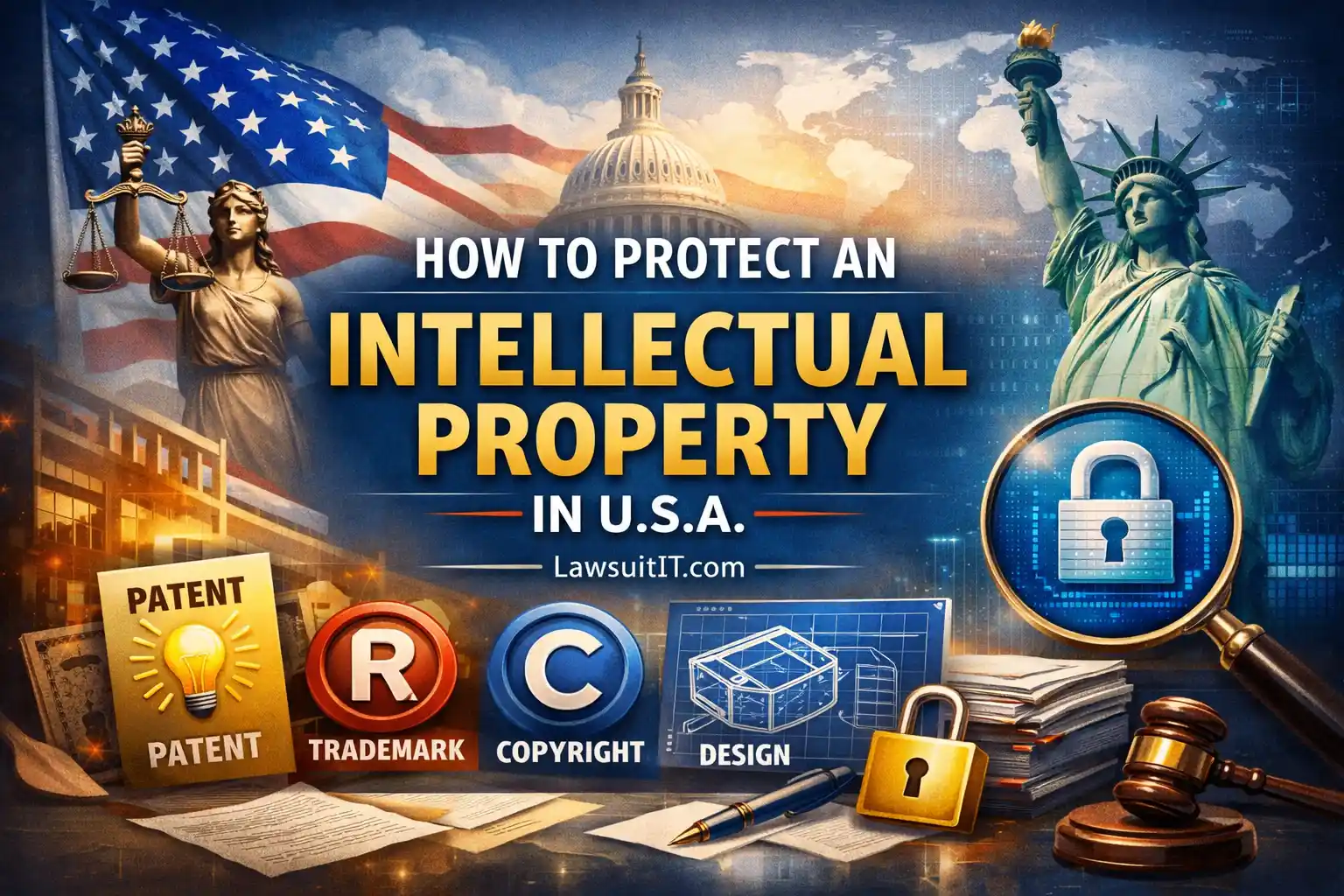
To protect intellectual property (IP), you must
identify the type of creation you own and apply the corresponding legal and technical safeguards. Effective protection typically involves a combination of government registration, contractual agreements, and internal security measures.
1. Legal Registration (Governmental)
Registration provides the strongest legal framework for enforcement. In the U.S., this is handled by the USPTO and the U.S. Copyright Office.
- Patents: Protect new and useful inventions, processes, or machines. You must file an application to prove your invention is novel, useful, and non-obvious.
- Trademarks: Protect brand identifiers like logos, slogans, and names. While “common law” rights exist from use, federal registration offers nationwide protection and the right to use the ® symbol.
- Copyrights: Protect original artistic and literary works (books, music, software code, photos). Protection is automatic upon creation, but registration is required to file an infringement lawsuit in the U.S..
- Design Rights: Protect the unique visual appearance or “look” of a product.
2. Contractual & Internal Safeguards
Not all IP requires registration. Some is best protected through secrecy and strict business practices.
- Non-Disclosure Agreements (NDAs): Require employees, contractors, and partners to sign NDAs before accessing sensitive information.
- Trade Secrets: Information that provides a competitive edge (like the Coca-Cola formula) is protected only as long as it remains secret. Use encryption, physical locks, and “need-to-know” access controls.
- Employment Contracts: Ensure contracts clearly state that any IP created by employees during work belongs to the company (Work for Hire).
3. Monitoring and Enforcement
The responsibility to defend IP lies with the owner. The government does not “police” your rights for you.
- Active Monitoring: Regularly search marketplaces and digital platforms for unauthorized use of your assets.
- Cease-and-Desist Letters: Send formal notices to suspected infringers to stop their activity before pursuing litigation.
- DMCA Takedowns: For online copyright theft, use DMCA notices to request that internet service providers remove infringing content.
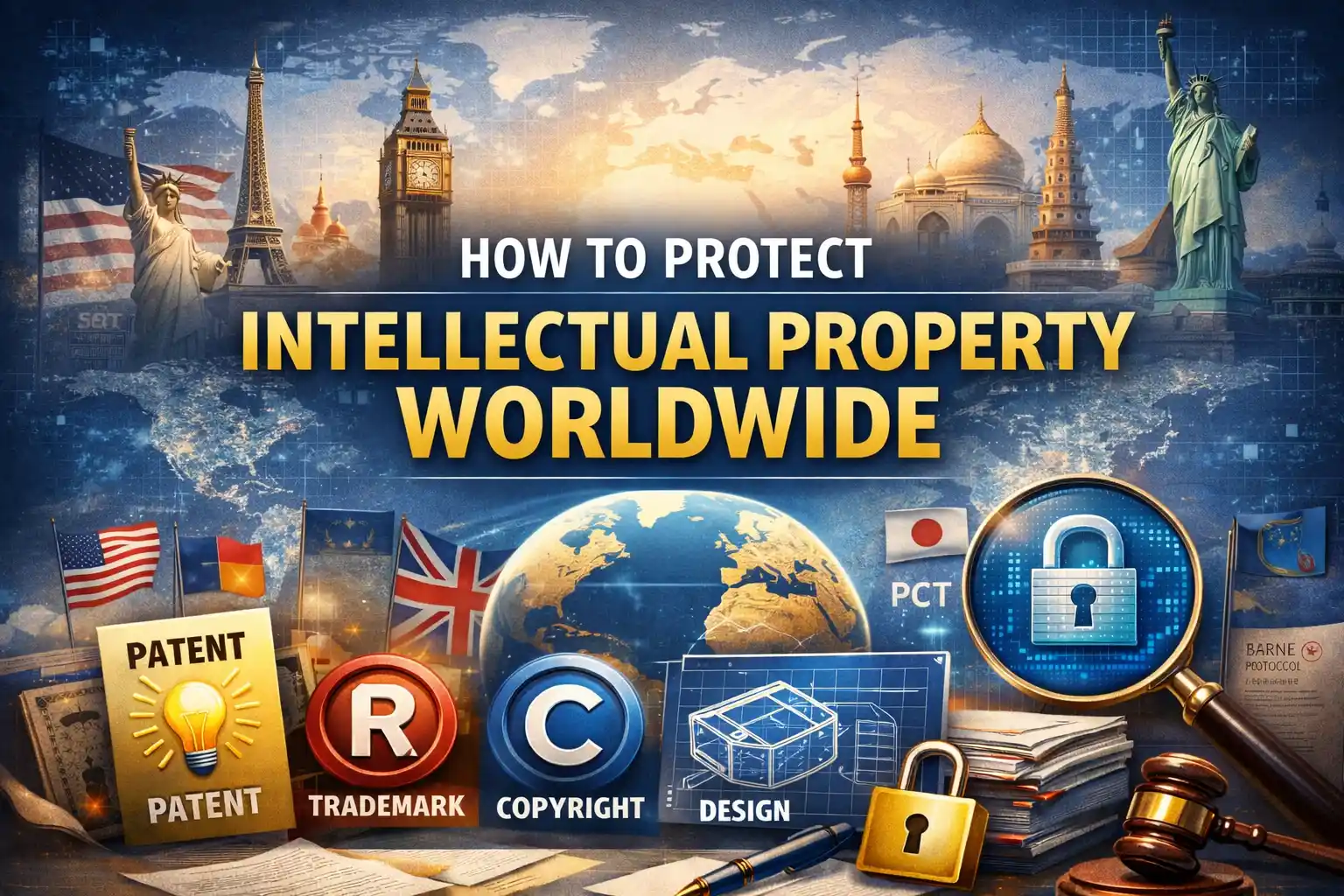
4. Global Protection
IP rights are territorial, meaning a U.S. patent or trademark generally does not protect you in other countries.
- International Treaties: Use the Madrid Protocol for trademarks or the Patent Cooperation Treaty (PCT) for patents to seek protection in multiple countries simultaneously.
- Customs Recording: Record your registered trademarks and copyrights with U.S. Customs and Border Protection to help seize counterfeit goods at the border.
These articles provide strategies for protecting intellectual property through legal registration, contractual agreements, and internal security measures.
🔎 It takes only a few seconds to leave a comment or share your opinion below.

0 Comments